
Get Tree Canopy Thinning in Rockingham County, NH
Tree Canopy Thinning services for Rockingham County, NH help improve sunlight, reduce storm damage risk, and enhance property aesthetics through professional pruning and selective removal.
Tree canopy thinning services are often considered by property owners in Rockingham County, NH to improve the overall health and structure of their trees. By selectively reducing dense or overgrown branches, property owners can enhance airflow and sunlight penetration, which promotes stronger growth and reduces the risk of disease. This practice can also prevent branches from becoming too heavy or awkwardly positioned, minimizing the chance of damage during storms and increasing the longevity of the trees.
In addition to health benefits, tree canopy thinning can significantly boost curb appeal and property functionality. Thinned canopies allow for better visibility and create a more balanced landscape, adding to the aesthetic value of a property. It can also improve safety by reducing the likelihood of falling branches and making pathways or outdoor spaces more accessible. Many property owners seek this service to enjoy a more comfortable and visually appealing environment while reducing ongoing maintenance needs.
- Tree Canopy Thinning Services are recommended when overgrown branches threaten to interfere with power lines or obstruct visibility in urban neighborhoods.
- These services are needed when dense foliage begins to impede sunlight penetration and airflow within residential or commercial landscapes.
- Tree canopy thinning is appropriate for maintaining healthy growth and preventing damage during storms in areas with mature trees.
- When trees become excessively dense, thinning can reduce weight and wind resistance to help prevent limb failure in storm-prone regions.
- In locations with restricted space or near structures, thinning is essential to improve clearance and reduce the risk of branch-related damage.
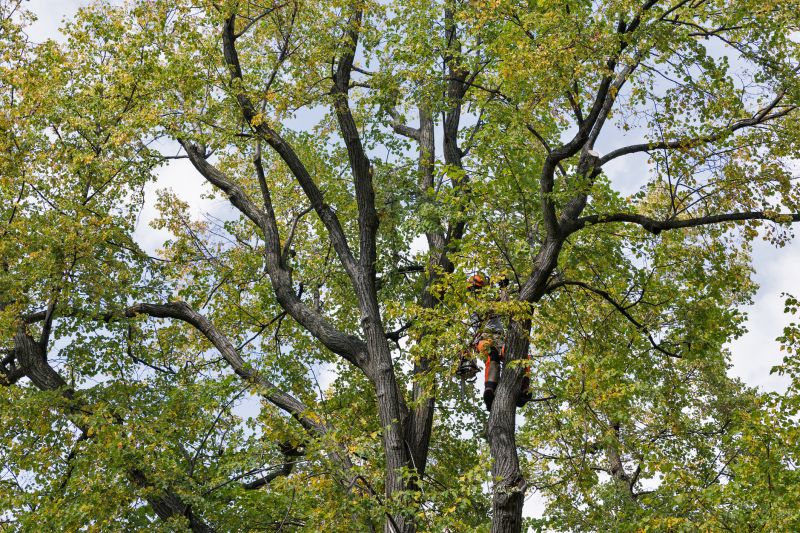
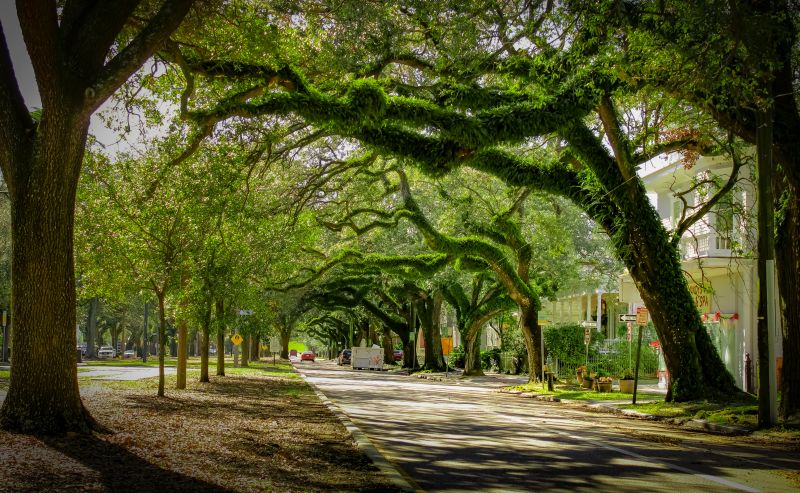
Tree canopy thinning services involve selectively reducing the density of tree branches and foliage to improve overall tree health and safety. This process typically includes removing dead, diseased, or overgrown limbs to promote better airflow and sunlight penetration throughout the canopy. By carefully thinning the foliage, property owners can help prevent issues such as limb breakage during storms, reduce the risk of falling branches, and encourage healthier growth patterns. Professionals performing these services use specialized techniques to ensure the tree’s structure remains stable while achieving the desired reduction in canopy density.
One of the primary problems addressed by tree canopy thinning is the mitigation of hazards caused by overgrown or weak branches. Excessive canopy density can lead to increased weight on certain limbs, making them more susceptible to breakage under stress. Thinning also reduces the risk of damage to property and injury to individuals by decreasing the likelihood of falling branches during storms or high winds. Additionally, this service can help manage the spread of pests and diseases by improving airflow and reducing moisture buildup within the canopy, which can otherwise create conditions conducive to infestations or rot.
Properties that typically utilize tree canopy thinning services include residential homes, commercial properties, parks, and public landscapes. In residential settings, thinning can enhance safety around driveways, walkways, and patios, while also improving the aesthetic appeal of the yard. Commercial properties often use canopy thinning to maintain a safe environment for employees and visitors, as well as to prevent potential liability from falling debris. Urban parks and public spaces also benefit from these services, as they help maintain healthy, attractive trees that contribute to the overall landscape without posing safety concerns.
Professional tree care providers offering canopy thinning services are equipped to assess the specific needs of each property and determine the appropriate amount of foliage to remove. These services are valuable for maintaining the structural integrity of mature trees, preventing storm-related damage, and ensuring safety in various property types. Contacting local experts can help property owners develop a tailored approach to managing their trees, promoting both safety and aesthetic appeal while supporting overall tree health.
The overview below groups typical Tree Canopy Thinning projects into broad ranges so you can see how smaller, mid-sized, and larger jobs often compare in Rockingham County, NH.
In many markets, a large share of routine jobs stays in the lower and middle ranges, while only a smaller percentage of projects moves into the highest bands when the work is more complex or site conditions are harder than average.
Cost Range - Tree canopy thinning services typically cost between $200 and $800 per project, depending on tree size and location. For example, smaller trees may be closer to $200, while larger or multiple trees can reach $800 or more.
Factors Influencing Cost - The overall cost varies based on the number of trees, their height, and accessibility. Services for taller or hard-to-reach trees tend to be on the higher end of the price spectrum.
Average Expenses - On average, homeowners in Rockingham County, NH, can expect to pay around $350 to $600 for professional canopy thinning. This includes labor, equipment, and disposal fees.
Cost Variability - Prices can fluctuate depending on the complexity of the job and local service provider rates. It’s recommended to contact local pros for precise estimates tailored to specific trees and property conditions.
Actual totals will depend on details like access to the work area, the scope of the project, and the materials selected, so use these as general starting points rather than exact figures.
Tree Canopy Thinning services involve reducing the density of tree foliage to improve air circulation and light penetration. Local arborists or tree care specialists offer these services to help maintain healthy and balanced tree canopies.
Urban Tree Canopy Thinning focuses on managing trees in city environments to prevent overgrowth and reduce risks associated with falling branches. Service providers in the area can assist with safe and effective thinning practices.
Storm Damage Tree Canopy Thinning is performed to remove weakened or hazardous branches after severe weather events. Local tree care contractors can evaluate and thin canopies to mitigate future storm-related risks.
Ornamental Tree Canopy Thinning enhances the aesthetic appeal of landscaped areas by selectively thinning decorative trees. Local landscape and tree care professionals can provide tailored thinning solutions.
Fruit Tree Canopy Thinning helps improve fruit production and tree health by reducing excessive foliage. Local arborists experienced in orchard management can assist with proper thinning techniques.
Safety Tree Canopy Thinning addresses overgrown or hazardous branches near structures or pathways. Service providers in the area can perform thinning to promote safety and tree vitality.
When evaluating local professionals for tree canopy thinning services, it is important to consider their experience with similar projects. Homeowners should inquire about how long a contractor has been performing canopy thinning and request examples of past work to assess their familiarity with local tree types and landscape conditions. Clear communication about the scope of work, including the methods and extent of thinning, helps ensure expectations are aligned and reduces the risk of misunderstandings.
Reputable references and reviews from previous clients can provide insight into a contractor’s reliability and quality of work. Homeowners are encouraged to seek out testimonials or contact past customers to learn about their experiences. This feedback can highlight the contractor’s professionalism, attention to detail, and ability to meet project specifications, which are crucial factors when choosing a service provider for tree canopy thinning.
Effective communication is a key aspect of a positive working relationship with local pros. Homeowners should look for professionals who are transparent about their process, responsive to questions, and willing to discuss project details thoroughly. Establishing clear expectations about work procedures and timelines helps foster trust and ensures that both parties are aligned throughout the project. Remember, the information below introduces local options and is not the contractor; it connects homeowners with qualified service providers in the Rockingham County, NH area and nearby communities.
Property owners in Rockingham County, NH use Tree Canopy Thinning services for practical projects around their homes and businesses. The sections below highlight everyday jobs and straightforward project options.
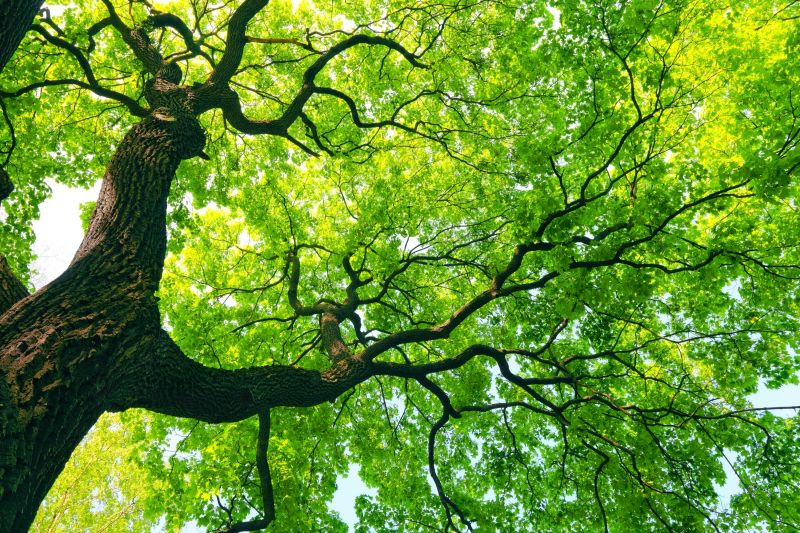
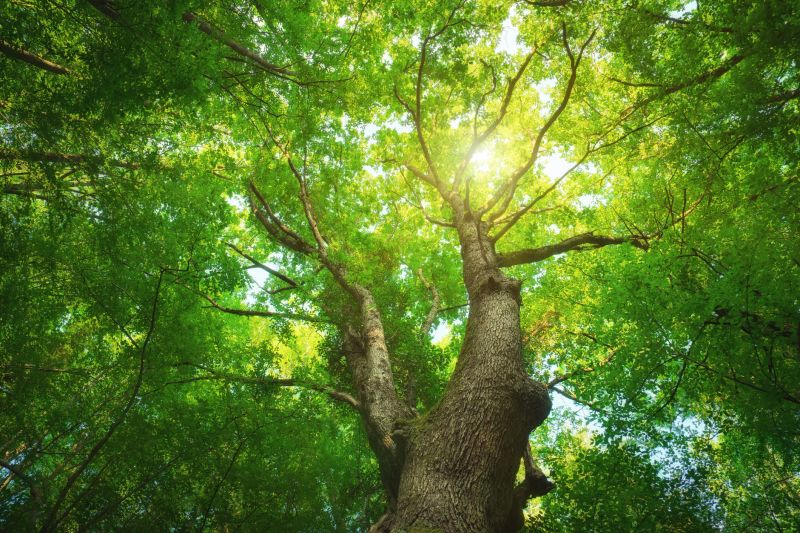
Tree canopy thinning services are often sought by property owners in Rockingham County, NH when overgrown or densely packed trees begin to interfere with property use or safety. Excessive foliage can block sunlight, hinder air circulation, or cause branches to become hazardous during storms. Removing or thinning parts of the canopy can improve visibility, reduce the risk of falling limbs, and help maintain the health of remaining trees.
Additionally, property owners may consider canopy thinning to promote healthier tree growth or to prevent future problems. Overcrowded branches can lead to stress on the tree, increasing susceptibility to disease or damage. By working with local professionals, property owners can ensure that thinning is performed carefully and appropriately, supporting the overall appearance and safety of their landscape.
What is tree canopy thinning? Tree canopy thinning involves selectively removing branches or foliage to reduce the density of a tree's upper layers, improving air circulation and light penetration.
Why consider tree canopy thinning? This service can help maintain tree health, reduce risk of storm damage, and improve the overall appearance of trees in residential or commercial landscapes.
How do professionals determine if thinning is needed? Local tree care experts assess the tree's structure, health, and surrounding environment to recommend appropriate thinning strategies.
Is tree canopy thinning safe for trees? When performed by experienced service providers, thinning is generally safe and can promote better growth and longevity for the tree.
How can I find local tree canopy thinning services? Contacting local arborists or tree care companies can connect you with professionals who offer canopy thinning services in your area.
Tree Canopy Thinning Services
Tree canopy assessment - Professionals can evaluate the current canopy to determine if thinning is appropriate for tree health and landscape goals.
Selective branch removal - Local service providers offer targeted pruning to reduce canopy density and improve airflow around trees.
Tree health preservation - Experts focus on thinning techniques that support the overall health and longevity of mature trees.
Customized thinning plans - Pros can develop tailored strategies to meet specific landscape needs and aesthetic preferences.
Considering Tree Canopy Thinning for a property in Rockingham County, NH? The sections above highlight common project types, practical options, and details that often shape the scope of work.
When you are ready, use the quote form to share a few details about your project. Local pros can review the basics and respond with options that match what you have in mind.