
Get Tree Pruning in Epping, NH
Tree pruning services for property owners in Epping, NH, and nearby areas address overgrown, damaged, or hazardous branches, enhancing safety, health, and aesthetic appeal.
Tree pruning services are a practical solution for property owners in Epping, NH seeking to enhance the safety and appearance of their landscapes. Regular pruning helps remove dead or weak branches that could pose risks during storms or high winds, reducing the chance of property damage or personal injury. Additionally, well-maintained trees contribute to a more inviting curb appeal, making outdoor spaces more attractive and welcoming.
Beyond aesthetics, pruning can improve the overall health and longevity of trees, ensuring they remain durable and resilient over time. Properly shaped and managed trees also allow for better sunlight exposure and air circulation, which can enhance the growth of surrounding plants. For property owners looking to minimize ongoing maintenance and keep their outdoor spaces functional and safe, professional pruning services offer a reliable way to achieve these goals.
- Tree pruning services are essential for maintaining healthy growth and improving the appearance of trees in residential or commercial landscapes.
- Professional pruning may be needed to remove dead or diseased branches that could pose safety hazards in areas like Epping, NH, and surrounding communities.
- Regular pruning can help manage tree size and shape, especially for trees located near power lines or structures in nearby neighborhoods.
- Seasonal pruning services are often sought to promote flowering and fruit production in trees within local parks or private properties.
- Expert pruning is recommended when trees show signs of damage, decay, or structural issues that could affect their stability and safety.
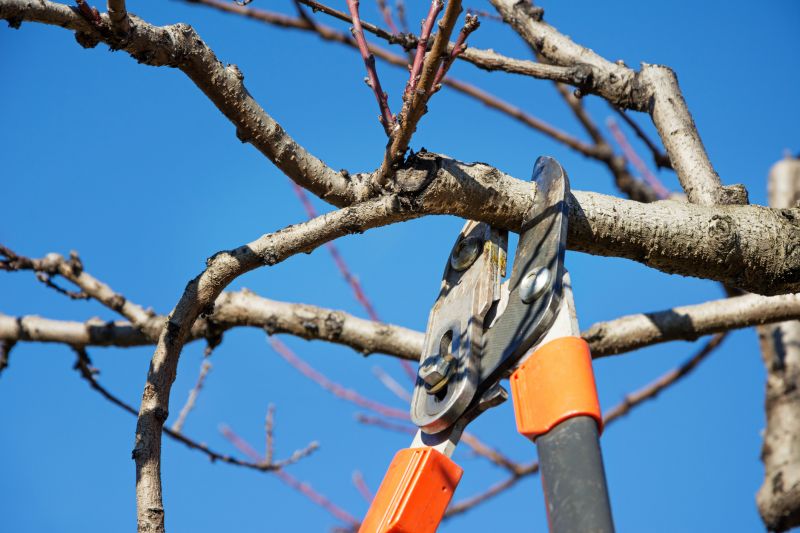
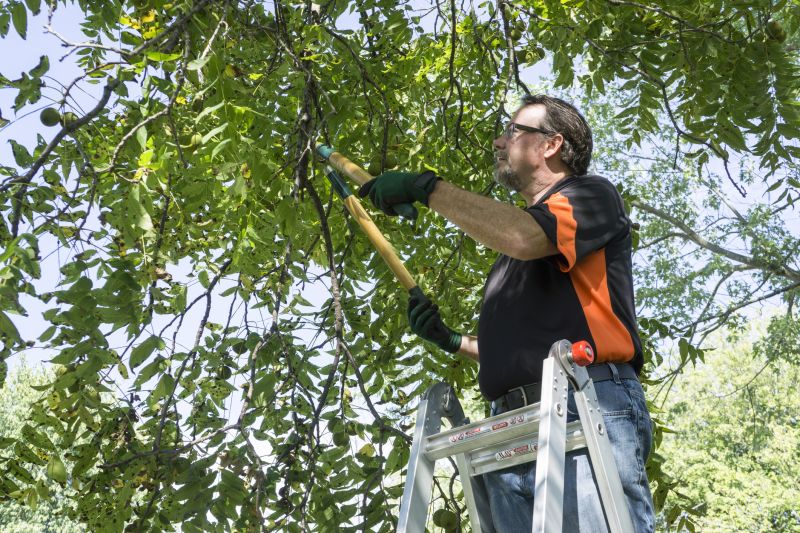
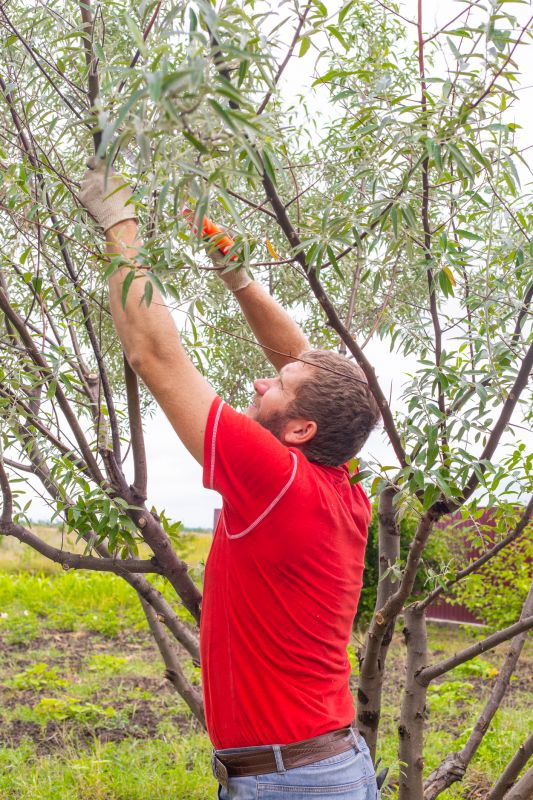
Tree pruning services involve selectively removing specific branches or parts of a tree to promote healthy growth, improve appearance, and maintain safety. The process typically includes trimming dead, diseased, or damaged limbs, as well as shaping the canopy to ensure the tree remains balanced and aesthetically pleasing. Proper pruning can also help prevent potential hazards caused by falling branches or unstable growth, contributing to the overall safety of the property.
These services address common problems such as overgrown branches that interfere with structures, power lines, or pathways. They also help manage the size and shape of trees to prevent them from becoming a liability during storms or high winds. Additionally, pruning can improve air circulation and sunlight penetration, which supports the tree’s health and reduces the risk of disease or pest infestations.
Properties that often utilize tree pruning services include residential yards, commercial properties, parks, and public spaces. Homeowners may seek pruning to enhance curb appeal or to ensure safety around their homes. Commercial property managers and municipalities frequently require pruning to maintain the safety and appearance of trees in public areas, sidewalks, and parking lots. These services are essential for any property where trees are a prominent landscape feature and require ongoing maintenance.
Professional tree pruning services are provided by local contractors who specialize in tree care and maintenance. These experts assess the condition of each tree, determine the appropriate pruning techniques, and execute the work safely and effectively. Contacting experienced local pros ensures that pruning is performed in accordance with best practices, helping to preserve the health and integrity of trees on a variety of property types.
The overview below groups typical Tree Pruning projects into broad ranges so you can see how smaller, mid-sized, and larger jobs often compare in Epping, NH.
In many markets, a large share of routine jobs stays in the lower and middle ranges, while only a smaller percentage of projects moves into the highest bands when the work is more complex or site conditions are harder than average.
Basic Pruning - Typically costs between $75 and $200 for small to medium trees. This service involves removing dead or overgrown branches to improve health and appearance. Costs may vary based on tree size and location.
Structural Pruning - Usually ranges from $150 to $400 per tree. It focuses on shaping the tree’s structure and removing weak or crossing branches. Larger trees or complex jobs can increase the price.
Thinning and Crown Reduction - Expect prices from $200 to $600 depending on the extent of the work. This process reduces the canopy size to improve airflow and light penetration, often necessary for mature trees.
Stump Removal - Often costs between $100 and $300 per stump. This service involves grinding the remaining stump after pruning to improve safety and aesthetics. Costs vary based on stump size and location.
Actual totals will depend on details like access to the work area, the scope of the project, and the materials selected, so use these as general starting points rather than exact figures.
Tree Trimming - Local professionals can provide precise pruning to maintain the health and appearance of trees in residential or commercial properties.
Hedge and Shrub Pruning - Service providers offer trimming to shape and control the growth of hedges and shrubs, enhancing landscape aesthetics.
Deadwood Removal - Experts can safely remove dead or diseased branches to prevent potential hazards and promote healthy growth.
Fruit Tree Pruning - Local pros can prune fruit trees to improve fruit production and ensure proper tree structure.
Storm Damage Pruning - Contractors can assess and prune trees affected by storms to reduce the risk of falling branches or trees.
Crown Thinning and Shaping - Service providers can selectively thin and shape tree canopies to improve light penetration and airflow.
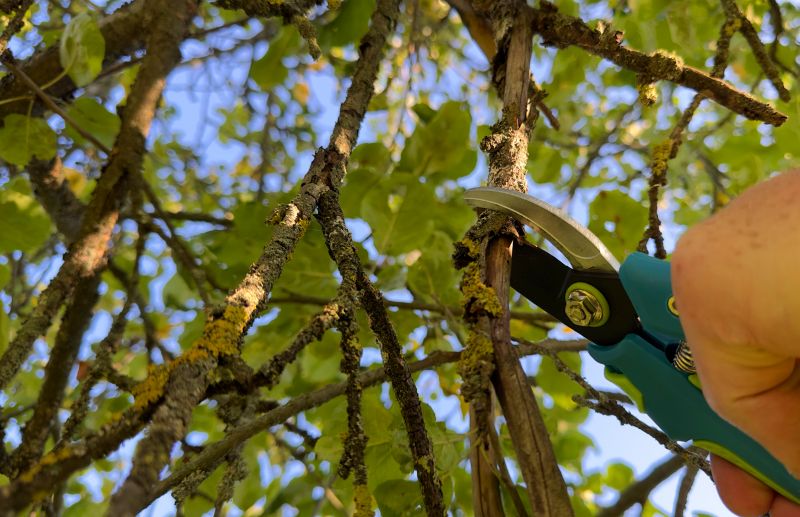
When selecting a tree pruning service, it’s important to consider the experience of local contractors. Experienced providers tend to have a deeper understanding of different tree species, growth patterns, and pruning techniques, which can contribute to healthier trees and improved landscape aesthetics. Homeowners should look for professionals who have a proven track record within the community, as familiarity with local tree varieties and regional conditions can enhance the quality of the work. Verifying the length of time a contractor has been operating locally can provide insight into their expertise and reliability.
Clear, written expectations are essential when engaging with tree pruning professionals. Reputable service providers typically offer detailed estimates and scope of work, outlining what pruning methods will be used, the extent of the trimming, and any cleanup involved. This transparency helps homeowners understand what to expect and reduces the likelihood of misunderstandings. It’s advisable to request a written plan before work begins, ensuring that all parties are aligned on the project’s goals and procedures.
Reputation and communication are key factors when choosing a local tree pruning contractor. Homeowners should seek out providers with positive references from past clients, which can often be verified through local reviews or recommendations. Good communication involves responsiveness, clarity in conveying options, and the ability to answer questions thoroughly. Establishing a contractor who maintains open, transparent dialogue can contribute to a smoother experience and greater confidence in the quality of the service provided.
Property owners in Epping, NH use Tree Pruning services for practical projects around their homes and businesses. The sections below highlight everyday jobs and straightforward project options.
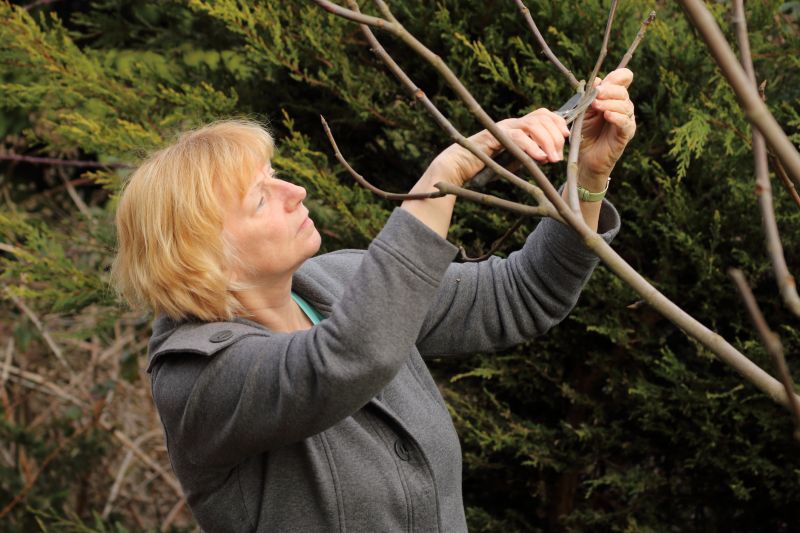
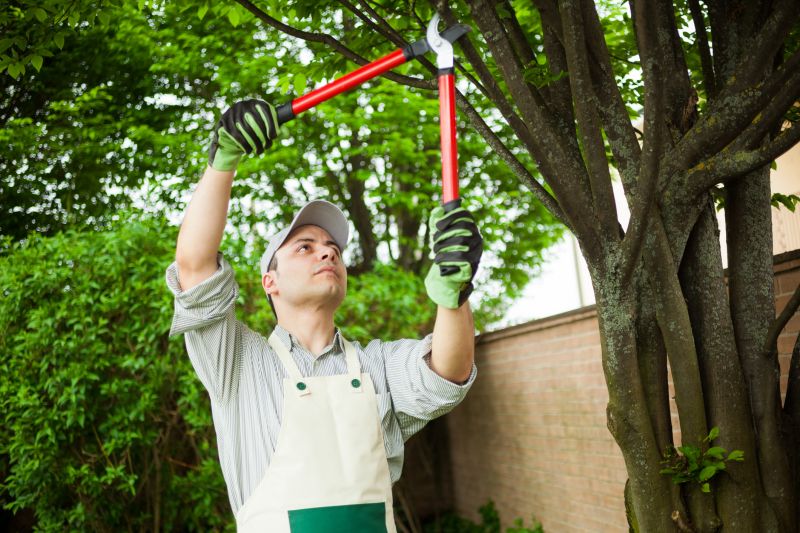
Tree pruning services are commonly sought by property owners in Epping, NH to maintain the health and appearance of their trees. Overgrown branches can interfere with power lines, obstruct views, or pose safety hazards during storms. Regular pruning helps to remove dead or diseased limbs, encourages healthy growth, and keeps trees looking tidy and well-maintained.
Additionally, property owners might look for pruning work to improve the safety of their yards or prepare trees for seasonal changes. Pruning can prevent potential damage from falling branches and reduce the risk of accidents around the home. Local service providers can assist with these projects, ensuring trees are properly cared for and safely integrated into the landscape.
Why is tree pruning important? Tree pruning helps maintain the health, safety, and appearance of trees by removing dead or overgrown branches.
When is the best time to prune trees? The ideal time to prune trees varies by species, but generally, late winter or early spring is recommended for most trees.
What types of pruning services are available? Services may include crown thinning, shaping, deadwood removal, and clearance pruning, depending on the tree's needs.
How can I find local tree pruning professionals? Interested individuals can contact local landscaping or tree care service providers for professional pruning assistance.
Are there any permits required for tree pruning? Permit requirements depend on local regulations; it’s advisable to check with local authorities or service providers about any necessary permissions.
Tree Pruning Benefits - Proper pruning can improve tree health, promote growth, and enhance the appearance of your landscape.
Signs You Need Pruning - Overgrown branches, dead or diseased limbs, and crowded canopies are common indicators for pruning services.
Pruning Techniques - Local professionals use various methods such as crown thinning, crown reduction, and shaping to meet specific tree needs.
Choosing a Pruning Service - Contact experienced tree care providers in Epping, NH, to ensure professional and effective pruning solutions.
Considering Tree Pruning for a property in Epping, NH? The sections above highlight common project types, practical options, and details that often shape the scope of work.
When you are ready, use the quote form to share a few details about your project. Local pros can review the basics and respond with options that match what you have in mind.